Terracotta model constitutes a impressive work style with a enduring legacy, spanning back innumerable of years. From ancient receptacles to present-day installations, the matter offers unique possibilities for creative manifestation. Makers adopt various techniques – including forming, wheel casting, and enhanced firing processes – to mold humble dirt into exquisite three-dimensional productions. The longevity of fired earthenware also contributes to its status as a truly timeless part of human legacy.
Researching Ceramic Panel Styles and Procedures
The area of ceramic badge design offers a expansive array of innovative possibilities. Makers often explore a blend of time-honored and cutting-edge techniques to fabricate visually spectacular pieces. These can vary from simple, fashioned reliefs to complex, multi-layered configurations. Popular methods include the slip cast process, artisanal shaping, finishing glaze – which can involve an array of styles like pre-firing decoration, outer glaze enhancement, and scraped artwork where designs are made visible by eroding a layer of shell. Expanded inquiry into surface treatments such as raku firing and pearlescent coating can lead to truly uncommon and exclusive clay tablets.
- Form Casting - Producing pieces using a shaped form
- Sculpting by hand - Directly shaping the terracotta
- Varnishing - Layering the top with a vitreous finish
- Sgraffito - Making visible designs by stripping overlays
Engaging Experiences: Pottery Art Showcases
The advancing landscape of creativity presents exciting cutting-edge avenues for attendees, and ceramic art installations are at the apex of this revolution. These aren't just static forms; they are fabricated to envelop the viewer in a sensory experience. Imagine venturing into a forest of towering, decorated ceramic trees, or navigating a network of refined ceramic vessels. Many craftsmen are now incorporating audio, glow, and even perfume to enhance the feeling of their work. Reflect on the power of a room filled with hundreds of uniquely ceramic artifacts, each telling a account. Often, such installations study themes of the earth, history, and the individual.
- These particular installations blur the divisions between statue and structure.
- Experiencing a ceramic art installation can be a deeply moving journey.
- Artists are redefining the limits of what is feasible with clay.
The Elegance of the Ceramic Urn: Meaning and Structure
The terracotta pot represents a impressive blend of efficiency and stylish appeal. Historically, these receptacles served a rudimentary role in supporting objects, but their development has transformed them into highly valued works of creation. Each element showcases the talent of the sculptor, demonstrating how profile can be as crucial as operation. The conscientious shaping, the special glazes, and the full presence of a masterfully-crafted jar can raise a space, offering both grace and a gentle reminder of the creative hand.
Latest Brick Art : Expanding Thresholds
State-of-the-art ceramic form represents a fascinating transition from customary practices. Builders are increasingly pushing with fresh tactics, merging the separations between ceramics and various visual realms. From massive installations to complex miniature pieces, referenced works scrutinize themes of character while simultaneously rethinking the definition of what ceramics can achieve. The consequence is a lively arena of innovative performance.
Stoneware Sign: Guarding Legacy in Porcelain
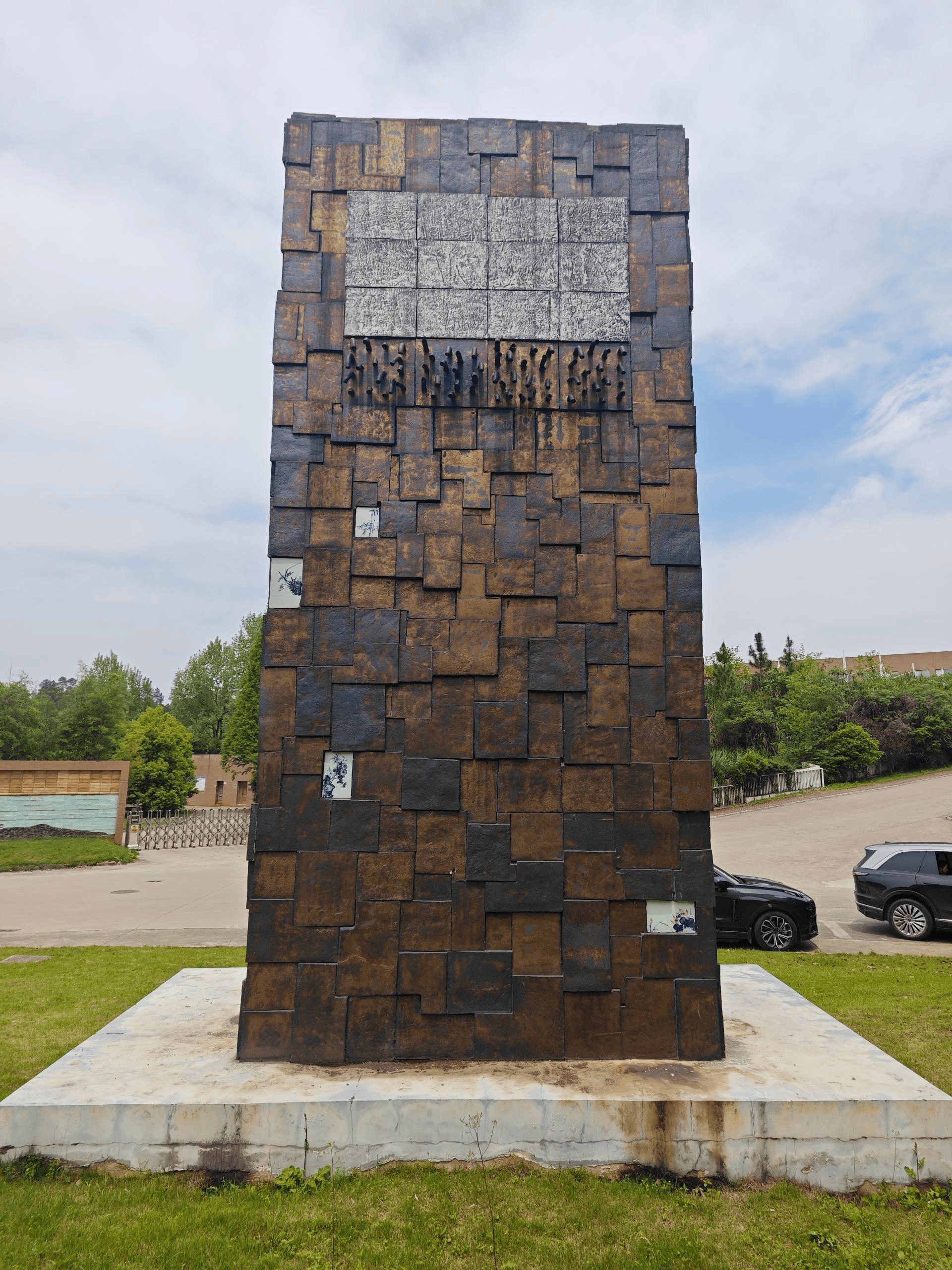
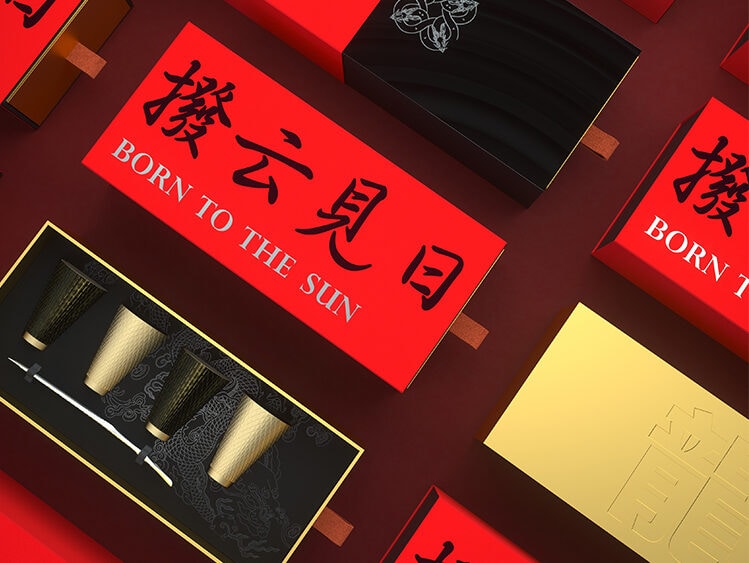
Stoneware plaques offer a uncommon method for capturing significant events and characters. As opposed to traditional metal or stone markers, these lasting pieces of work are formed from cooked clay, creating a concrete link to the bygone era. Frequently, they feature intricate figures or hand-painted imagery, revealing stories that might otherwise be disremembered. A technique, stemming from ancient peoples, provides Travel Cup a visually appealing and permanent way to honor our collective chronicle.
- The described can be positioned in shared spaces.
- Many are now accepted historical remnants.
Earthenware Art Presentations: Transforming Sites
Brick art installations are surfacing a influential medium for creators to revise public and private areas. These immersive designs frequently involve considerable clay artifacts that surround viewers, shifting their appreciation of the designed environment. By incorporating diverse ways like artisanal crafting and elaborate firing ways, ceramic artists fabricate truly unique experiences, erasing the lines between work and structure. The result is often a powerful alteration that boosts the artistic quality of the environment and inspires debate.
Start Wheel to Spectacle: The Craft of the Pottery Vase
The journey of a pottery vessel from a simple lump of soil to a developed work of design is a testament to human craftsmanship. Initially, the process commences with the potter’s spinning device, where the masterful artisan shapes the revolving terracotta into a cylindrical structure. This beginning phase demands sharpness and a disciplined eye, followed by a delicate firming period. Once rough-fired, the vessel is ready for ornamentation, which may comprise painting intricate arrangements, incising detailed pictures, or adding a array of glazes. The last cooking process then turns the work into a durable and exquisite holder, a tangible demonstration of the artisan's skill.
Shaping with Brick: A Introduction to Clay Design
Plunging the sector of pottery creation begins with learning the cornerstones of molding with clay. This particular procedure demands attentively constructing and cutting material to form three-dimensional pieces. Regardless of you're a learner or a expert creator, engaging with alternative forms of brick – namely earthenware – will help you discover your unique approach. Finally, pottery pottery is a enriching experience that merges skilled know-how with expressive presentation.