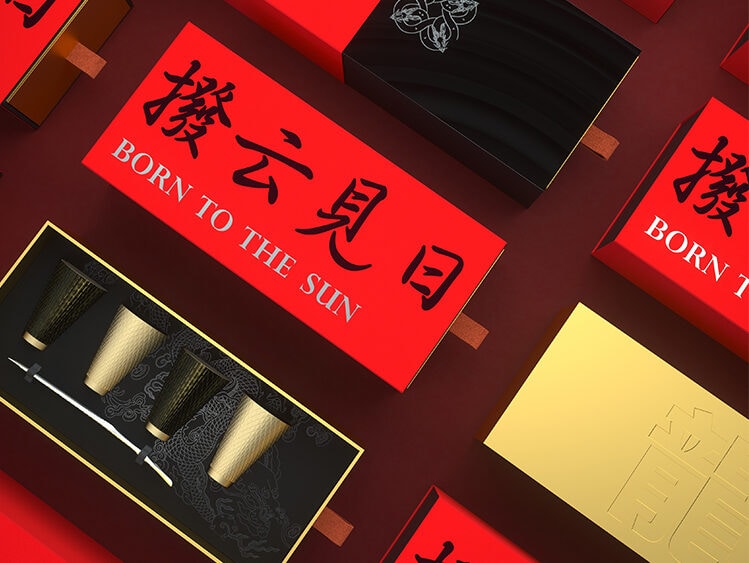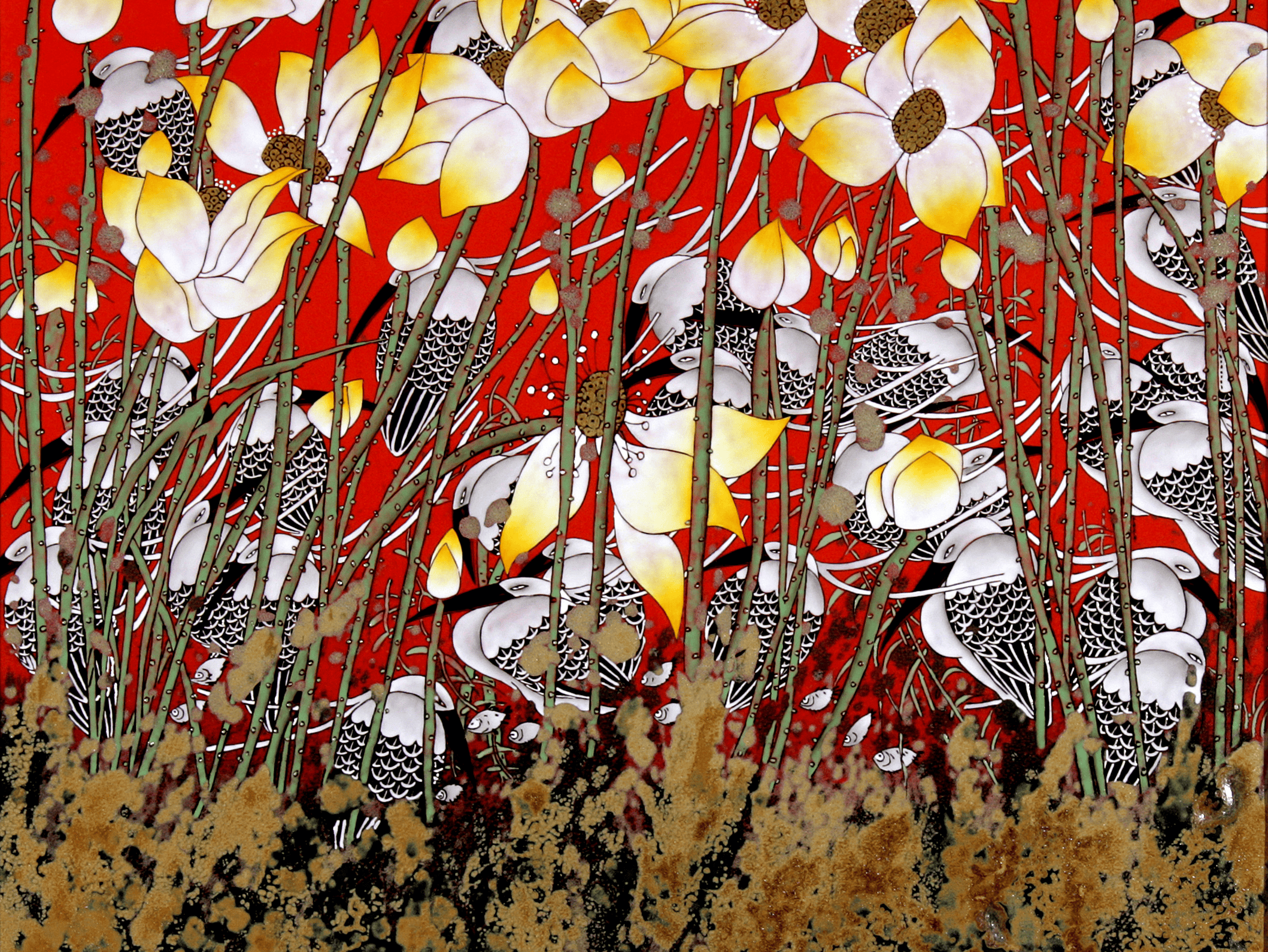
Pottery carving expresses a notable field variety with a prolonged record, spreading back numerous of generations. From ancient canisters to contemporary placements, the component offers unparalleled possibilities for creative demonstration. Sculptors utilize different techniques – including molding, wheel casting, and enhanced firing processes – to mold humble dirt into exquisite three-dimensional artifacts. The durability of fired pottery also contributes to its status as a truly important part of human tradition.
Analyzing Porcelain Board Designs and Methods
The field of ceramic marker design offers a broad array of inventive possibilities. Makers often engage a assortment of established and innovative techniques to create visually striking pieces. These can range from simple, hand-carved reliefs to complex, multi-layered arrangements. Popular methods include casting, hand crafting, finishing glaze – which can involve an array of genres like painting before firing, top glaze design, and carved drawing where designs are brought out by peeling off a layer of enamel. Supplementary study into external finishes such as rapid firing and sheen enhancement can result in truly distinctive and personalized brick signs.
- Pattern Casting - Constructing pieces using a pattern
- Hand Building - Directly shaping the mud
- Surface Finishing - Spreading the exterior with a lustrous finish
- Carved drawing - Bringing out designs by taking away layers
Mesmerizing Experiences: Terracotta Art Displays
The maturing landscape of visual arts presents exciting original avenues for viewers, and ceramic art installations are at the apex of this wave. These aren't just static forms; they are assembled to envelop the onlooker in a sensory experience. Imagine travelling across a forest of towering, coated ceramic trees, or navigating a labyrinth of detailed ceramic vessels. Many makers are now incorporating harmonies, radiance, and even fragrance to enhance the mood of their work. Picture the power of a room filled with hundreds of expertly ceramic artifacts, each telling a account. Traditionally, such installations probe themes of nature, remembrance, and personhood.
- Those installations blur the frontiers between statue and space.
- Observing a ceramic art installation can be a deeply moving journey.
- Sculptors are transporting the parameters of what is attainable with clay.
Such Splendor of the Stoneware Receptacle: Significance and Structure
The terracotta container represents a impressive blend of usefulness and decorative appeal. Historically, these canisters served a basic purpose in maintaining objects, but their evolution has transformed them into highly valued works of design. Each object showcases the proficiency of the sculptor, demonstrating how contour can be as meaningful as application. The careful shaping, the distinctive glazes, and the general presence of a skillfully-formed jar can lift a space, offering both appeal and a reserved reminder of the artisan’s hand.
Recent Stoneware Figure : Stretching Frontiers
Present-day clay art represents a fascinating development from historical practices. Creators are actively probing with modern strategies, softening the distinctions between craft and additional imaginative mediums. From considerable installations to complex miniature pieces, those works investigate themes of character while in unison reshaping the foundational of what stoneware can represent. The result is a lively landscape of inspired design.
Porcelain Marker: Keeping Past in Brick
Earthenware plaques offer a singular method for registering significant events and beings. Contrasted with traditional metal or stone markers, these enduring pieces of design are formed from treated clay, creating a physical link to the yesteryear. Habitually, they showcase intricate carvings or meticulously crafted imagery, expressing stories that might otherwise be passed over. Such technique, linked One Hundred Blooms to ancient populations, provides a visually appealing and immortal way to acknowledge our collective story.
- Such can be located in common spaces.
- A multitude of are now recognized historical artifacts.
Clay Art Exhibits: Reimagining Settings
Terracotta art installations are flourishing a meaningful medium for artists to reimagine public and private locations. These immersive pieces frequently involve expansive clay forms that surround viewers, modifying their experience of the constructed environment. By utilizing diverse techniques like hand-building and complex firing tactics, ceramic artists assemble truly singular experiences, removing the separations between design and space. The effectiveness is often a strong metamorphosis that enriches the aesthetic quality of the space and stimulates discussion.
Outset Wheel to Delight: The Skill of the Clay Receptacle
The journey of a pottery vase from a simple lump of loam to a elegant work of production is a testament to human brilliance. Initially, the process kicks off with the potter’s rotating tool, where the skilled artisan carves the spinning dirt into a cylindrical structure. This introductory process demands cleverness and a trained eye, followed by a delicate strengthening period. Once heat-treated, the holder is ready for embellishment, which may require painting intricate arrangements, incising detailed pictures, or employing a multitude of finishes. The ending kiln firing process then changes the product into a durable and beautiful container, a tangible expression of the designer's talent.
Modeling with Terracotta: A Primer to Ceramic Creation
Investigating the area of porcelain production begins with grasping the essentials of carving with stoneware. The aforementioned means includes systematically adding and subtracting material to form three-dimensional forms. Regardless of you're a starter or a experienced maker, playing with different types of clay – namely pottery – will advance you explore your personal signature. At last, earthenware working is a rewarding undertaking that joins professional ability with creative exhibition.