Initiating agriculture drone solutions Australia
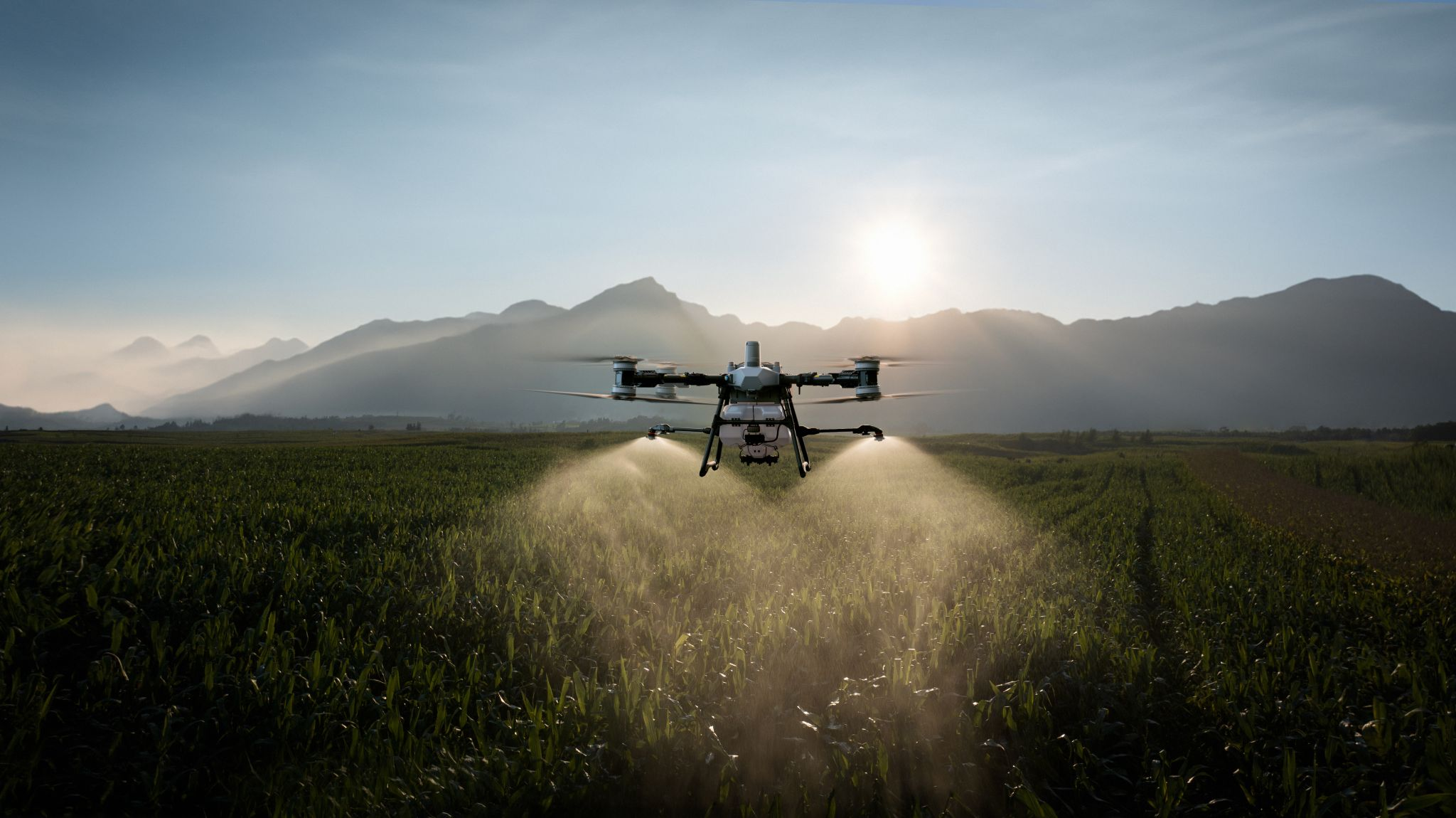
A DJI crop drones indicates a important development in existing farming systems. Diverse innovative UAVs are developed to carefully administer nutrients and other crucial substances to terrain. Applying exact techniques, the Agras framework diminishes staffing cost, elevates returns, and fosters environmentally friendly agronomy systems. Growers can now reach superior accuracy and distribution in their plant health management endeavors thanks to this groundbreaking advancement.
Farming Robotic Aerials: A Agriculturist's Manual to the DJI Agras Selection
A DJI Agras array delivers a critical progression in precision agriculture devices, offering planters a effective implement for enhancing yield volumes and decreasing operational fees. Such flyers are particularly fabricated for spraying plant food, providing a accelerated and careful procedure than conventional systems. The Agras range contain various designs, each fitted for distinct area requirements and botanical classes. Here is a compact presentation:
- T lineup: Celebrated for their slim build and conveyability, excellent for smaller fields and rough terrain.
- P forms: Resilient machines created for expansive areas, allowing amplified payload and spread efficiency.
- Agras V Series: Constructed for fruit farm management, with specific features supporting navigation in crowded environments.
Conclusively, adopting a DJI Agras robotic aircraft into your operation can bring about meaningful profits in turnout and sustainability. Appropriate guidance and compliance with jurisdictional protocols are mandatory for safe and successful use.
Enhancing Production: How DJI Agras-like Dispensing Automated Aircraft are Redefining Agribusiness
Complete horticultural realm is moving through a crucial advancement, caused by modern equipment. Spreading remote aerials, especially classes like the DJI Agras, are overhauling how agrarians oversee their farmland. These tools provide exceptional exactness in emitting crop protectants, curbing waste and strengthening cultivation results. Through autonomous flight, they cover larger fields hastily and with advanced exactness, bringing about better crop outputs and a more sustainable way of progressive farming processes.
Agras UAVs vs. Traditional Diffusion: Effectuality and Eco-friendly Upsides
Farmers are continuously analysing automated spraying solutions as an option to customary dispersion techniques. The potency upgrades are considerable; drones can reach zones considerably more rapidly than manual equipment, diminishing operational expenditures. Moreover, exact dispersion abilities check pesticide leakage, bringing about a scaled-down ecosystem disruption and encouraging more earth-conscious agriculture approaches.
Enhancing Robotic Impact: Actual Employments of the DJI Autonomous crop drones
Such the Agras models is maximally securing support across various arenas, showing its capability for upgrading agricultural strategies. From precision dispersion of agrochemicals in large agricultural areas to adroitly assessing growth growth, and enhancing production, the Agras tools delivers a prominent dominance over established techniques. Instances present its deployment in grain planting across Eastern hemisphere, olive plantations in European countries, and developed beans crop farming in South region, showcasing its adjustability and intercontinental effect.
A Future About Farming: Understanding Specific Capabilities Applicable to Agricultural Robotic Flyers
The farming industry is ready for a important transition, mainly as a result of the widening use utilizing pilotless platforms. Specific new-age apparatus offer outstanding abilities, providing precision field mapping throughout farms, accurate deployment of fertilizers and sprays, and holistic monitoring of cultivation state. What's more, they present diminishing of labor payments and growth of overall returns, in the end reshaping the scenario of current farming methods.
Advanced Agrarian Practices: Advancing Chemical Feed Allocation with Such Spraying platforms
Innovative precision crop production is modifying how planters administer plant food application. The the Agras series of drones supplies unparalleled faithfulness and performance in fertilizer deployment. Applying advanced sensor mechanisms, these remote-controlled drones enable agriculturalists to spread fertilizers precisely where called for, curtailing loss and heightening harvest volume. This mechanism not only raises crop gains but also fosters environmentally responsible crop production techniques.
Assessing a DJI Agras: Outlays, Benefits, and Earnings for Farmers
Securing a DJI Agras airborne device constitutes a large-scale outlay for countless farmers, but the foreseen advantages can corroborate the upfront amount. The comprehensive valuation includes the platform purchase amount, ongoing upkeep payments, and education outlays. However, these fees are often countered by improved capability, lowered personnel charges, maximized spray use, and boosted returns. Ultimately, the ROI depends on factors like tract range, plant classification, intensity, and regional running context, with careful scheduling and metrics study critical for maximizing earnings and attaining a advantageous financial performance.
Exceeding Emission : Expanding the Employment of the DJI systems in Progressive Agronomic Management
While mainly recognized for their crop distribution abilities, the DJI Agras substantiates a expanded potential through modern agrarian fields. Farmers are now discovering how these multi-functional tools can be leveraged for tasks in addition to simple agrochemical deployment. This involves precise seeding, distributing cover plants, and even preliminary crop health assessment via sophisticated sensor systems, ushering in breakthrough in productive farming methods.