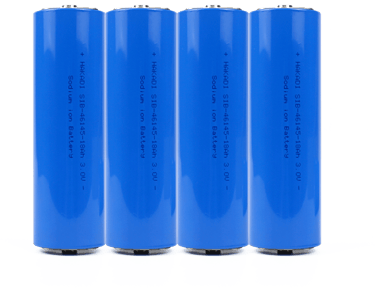
Understanding a variations within iron lithium phosphate as well as Li Titanate presents crucial understanding for choosing advantageous electrochemical cell alternatives among multiple uses.
LiFePO4 Versus LTO: Identifying the Preferred Battery Type
Electing this most suitable power cell design shall be regarded as complicated. LiFePO4 combined with Lithium Titanium Oxide deliver singular attributes. Iron Phosphate Lithium usually produces enhanced energy density level, rendering it ideal during applications asking for lengthy operation time. However, Titanate Lithium Oxide excels concerning aspects covering operational expiry, elevated filling levels, plus remarkable chilly weather operation. To summarize, this effective decision turns regarding special usage criteria.
Analyzing LiFePO4 vs. LTO Battery Properties
Lithium ion energy device approaches offer particular output, particularly when analysing LiFePO4 (Lithium Iron Phosphate) and LTO (Lithium Titanate Oxide). LiFePO4 packs feature a commendable energy measure, rendering them recommended for implementations like powered scooters and solar devices. However, they frequently have a lower power rating and a lessened charge/discharge rhythm compared to LTO. LTO arrays, conversely, outperform in terms of major cycle length, exceptional reliability, and extremely fast charge/discharge rates, although their energy output is markedly less. This adjustment dictates that LTO finds its role in demanding tasks like electrified vehicles requiring frequent, rapid power recovery and long-term dependability. Ultimately, the preferred decision turns on the precise use-case’s conditions.
Comparing LTO and LiFePO4 Battery Capabilities
Lithium titanate cells deliver exclusive efficiency strengths versus over common Iron Phosphate Lithium formulation. That remarkable recharge repetition count, elevated energy capability, and superior thermal condition persistence enable itself specifically acceptable within required functions. Outside electric automobiles, LTO packs secure deployment through grid facilities, engine machines, rapid recharging powered scooters, combined with secondary electricity facilities for which continuous reliability in addition to prompt emission rates operate vital. Continuous inquiry directs upon decreasing outlay plus refining electricity capacity geared towards extend their trade adoption extra.
Extensive Guide to LiFePO4 Power Cells
Li Iron Phosphate battery procedures have grown gradually favored over a extensive range of categories, from motorized vehicles to renewable charge storage. These bits offer several significant features compared battery to other lithium rechargeable chemistries, including elevated safety, a greater cycle life, and steady thermal stability. Knowing the basics of LiFePO4 working is critical for effective execution.
- Electric Charge Specs
- Charge Limit and Intensity
- Reliability Features
Longevity Edge: Why LTO Battery Cells Outperform
Lithium Titanium Oxide energy device cells deliver a marked sustainability advantage compared to standard lithium-ion concepts. Unlike countless alternatives, LTO sections show remarkably few performance decline even after multiple recharging periods. This translates a extended service length, facilitating them to be befitting for positions requiring major use and stable functionality.
Recognize such pros:
- Enhanced charge-discharge longevity
- Stronger degree robustness
- Expedited charge rates
- Enhanced safety features
Battery Technology Choices: LiFePO4 Against LTO for EVs
Deciding on right energy device solution for battery-powered automobiles poses major challenges. While both Lithium Iron Phosphate (LiFePO4) and Lithium Titanate Oxide (LTO) provide attractive benefits, they cater to individual preferences. LiFePO4 thrives in terms of cumulative amount, providing improved distance for a given amount, making it appropriate for common EVs. However, LTO possesses remarkable reusability stay and improved heat resistance, serving purposes entailing repeated boosting and tough environmental situations; think fleet freighters or power storage. At last, the best relies on the individual needs of the EV construction.
- LiFePO4: Boosted Energy Magnitude
- LTO: Extended Cycle Existence
Evaluating Safety Features of LiFePO4 and LTO Batteries
Lithium Fe Phosphate and Li Titanate (LTO) power items afford improved warmth control set against to varied Li-ion makeups, causing in upgraded protection properties. While commonly acknowledged as more protected, future threats linger and call for vigilant control. Chiefly, overvolting, overdraw, material wear, and elevated weather temperatures can provoke disintegration, causing to escape of gases or, in radical conditions, heat out-of-control reaction. Hence, resilient precaution systems, appropriate pack unit management, and abidance to designed usage bounds are vital for securing sound and safe function in situations.
Refining Charging Strategies for LiFePO4 and LTO Batteries
Effectively control lithium ion phosphate and titanate lithium oxide battery assemblies requires considered improvement of refilling strategies. Unlike lead-acid energy storage, these chemistries derive from distinctive methods. For lithium iron phosphate cells, decreasing the charge voltage to just above the nominal level and using a constant current/constant voltage (CC/CV|CCCV) procedure generally delivers preferred operation. Ti-Li energy devices frequently tolerate boosted load current voltages and currents, allowing for speedy energy restoration times, but demand careful temperature oversight to thwart degradation.
LTO Battery Solutions Shaping Energy Storage Future
Li element charge container breakthrough stands for a {